




This is a supporting article to our post: The Rise of Generative Engine Optimization (GEO): Is It Replacing SEO? To get an understanding of why this post was created, it may be worth visiting that before reading on.
As the digital landscape continues to evolve, Generative Engine Optimization (GEO) has emerged as a powerful strategy to ensure that entities—such as products, services, and companies—are accurately and prominently featured in AI-generated responses. Here, we’ll explore how to optimize different types of entities for GEO, using specific examples to illustrate the process.
1. Optimizing a Product
Example: Smart Home Assistant Device
Step-by-Step Optimization:
a. Clear and Detailed Descriptions:
- Current State: “A smart home assistant.”
- Optimized: “The EchoPlus, a state-of-the-art smart home assistant device that controls lights, thermostats, and more via voice commands, with seamless integration with over 10,000 smart home devices.”
b. Structured Data:
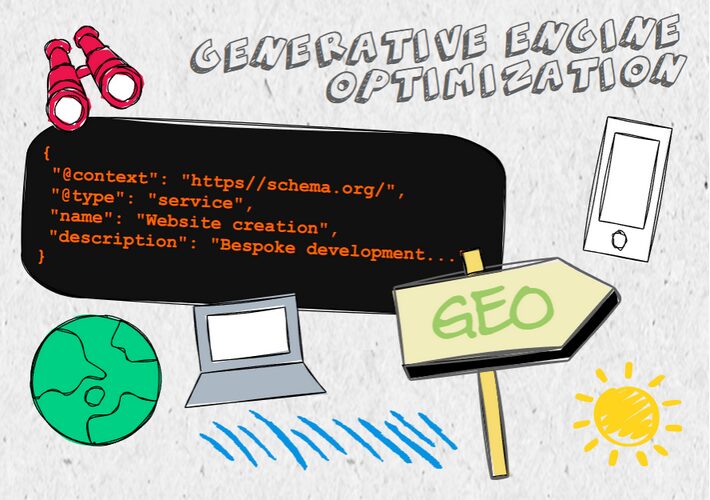
- Use schema markup to define attributes such as product name, brand, model, price, features, and availability.
c. Reviews and Testimonials:
- Collect and display user reviews and ratings to build credibility and enhance visibility in AI responses.
2. Optimizing a Service
Example: Digital Marketing Consultation
Step-by-Step Optimization:
a. Specific Service Details:
- Current State: “We offer digital marketing services.”
- Optimized: “Our digital marketing consultation service provides tailored strategies to enhance your online presence, improve SEO, and boost conversion rates. Services include SEO audits, social media management, and PPC campaign optimization.”
b. Customer Success Stories:
- Highlight case studies and success stories to showcase the effectiveness of your services.
c. Visibility and Accessibility:
- Ensure your service is easy to find and contact information is readily available.
3. Optimizing a Company
Example: routeToWeb
Step-by-Step Optimization:
a. Comprehensive Company Profile:
- Current State: “We are a web design company.”
- Optimized: “routeToWeb is a leading web design company specializing in innovative solutions for businesses of all sizes. Our services include website development, in-page-SEO, hosting, maintenance & troubleshooting, all aimed at enhancing online visibility and driving growth.”
b. Structured Data for Organization:
- Use schema markup to provide detailed information about the company.
c. Leadership and Team:
- Feature profiles of key team members to humanize the company and build trust.
d. Achievements and Awards:
- Highlight notable achievements, awards, and recognitions to establish authority.
Conclusion
Optimizing entities for GEO involves providing clear, detailed information, using structured data, and showcasing reviews, testimonials, and achievements. By following these steps and using the provided examples, you can enhance the visibility and prominence of your products, services, and company in AI-generated responses, ultimately driving engagement and growth.
 From the Accessibility, SEO & User Experience categories
 Test your website on multiple devices
Ensure a seamless mobile experience by testing your website on various devices and screen sizes. This helps to ensure that users accessing your site from smartphones and tablets have a positive experience.